‎‏‎‎‎ㅤTOOTH PAIN

Tooth Pain

Since the earliest days of civilisation, toothache has been one of the body’s clearest warnings — a signal that something isn’t quite right.

For generations, people did what they could: herbs, heat, even prayer. But with no clear understanding of the cause, they were often treating the pain, not the problem.

Today, that has changed.

With modern dentistry, we no longer guess — we know.
Advanced imaging tools, biocompatible materials and refined clinical techniques allow us to pinpoint the source of pain and treat it with accuracy, care, and permanence.

And patients?
They’re more informed than ever. They seek out well-equipped clinics, skilled hands, and honest advice. They value prevention, act early, and trust experience.

Because when it comes to your health, doing it right — and doing it in time — makes all the difference.


Why Do Teeth Hurt?

Toothaches don’t appear out of nowhere — there’s always a reason behind the pain.

Sometimes it’s a brief sensitivity to hot or cold. Other times, it’s a sharp discomfort when biting down, or a deep, throbbing pain that doesn’t go away.

Each of these symptoms points to a different cause — and each requires the right treatment.

The good news is, modern dentistry can treat most of these problems quickly and comfortably, especially when caught early.

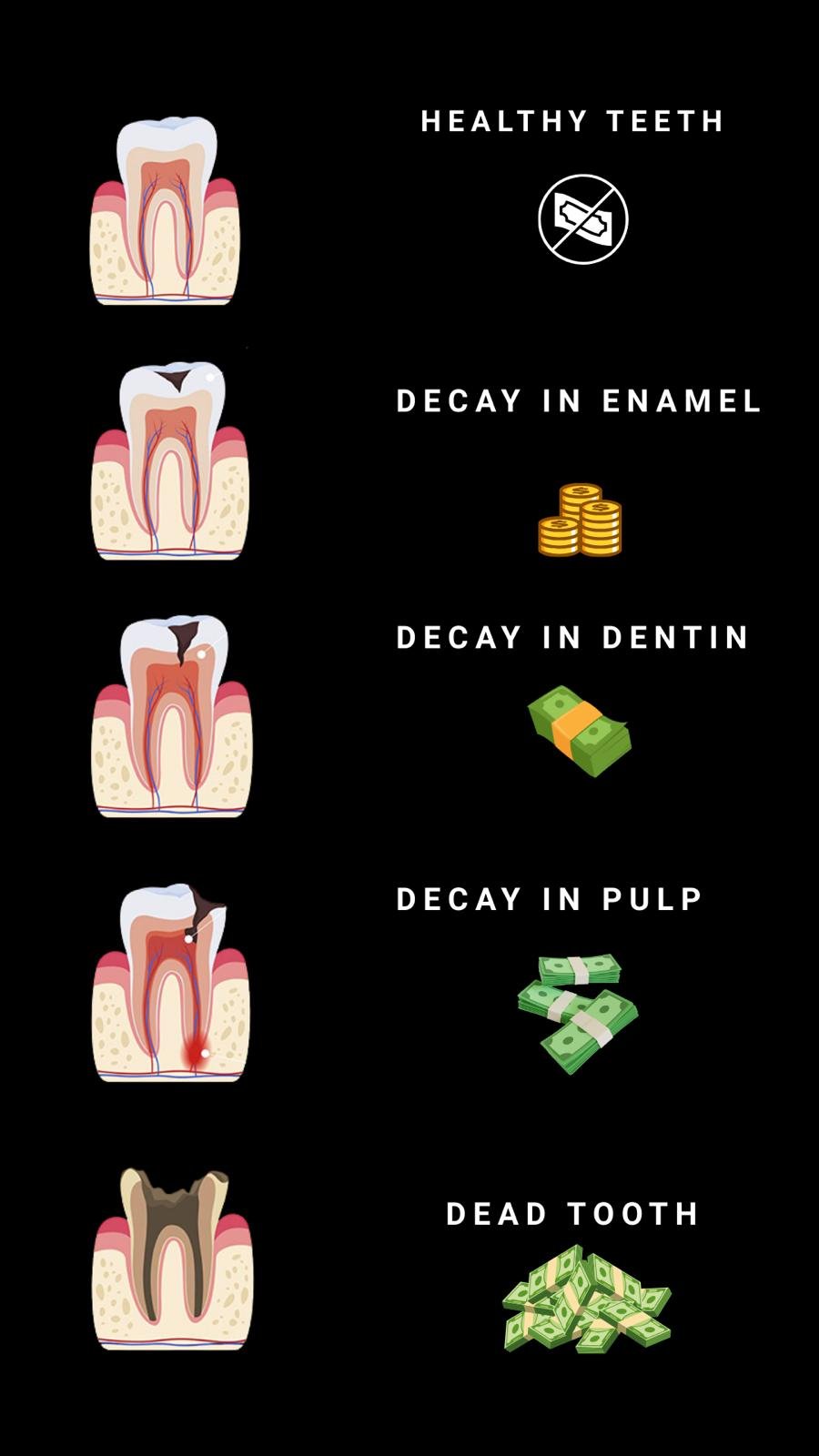
But when ignored, a small cavity can turn into a root canal, and eventually even tooth loss — which means more time, effort, and cost.

That’s why regular check-ups and early diagnosis in a reliable clinic make all the difference — for both your health and your comfort.

Common Causes of Toothache

Cavities


Tooth decay begins when acids from bacteria erode the enamel over time.
In early stages, it may go unnoticed, but later can cause sensitivity or pain while eating.

When treated early, a simple filling is often enough.
If left untreated, it may require root canal treatment or even extraction.

That’s why regular dental check-ups are essential to catch it before it worsens.

Abscess


A dental abscess is a painful infection, usually caused by untreated decay or trauma affecting the root of a tooth.
It often presents with swelling, intense pain, sensitivity, and sometimes fever.

Treatment involves cleaning out the infection — usually through root canal therapy. Antibiotics may be prescribed.
In severe cases, the tooth may need to be extracted.

Abscesses can affect your overall health, so prompt treatment is crucial.

Broken tooth


Tooth fractures can occur due to trauma, biting something hard, or structural weakness in the tooth.
Minor cracks can be treated with bonding or a filling. Deep fractures may require root canal, crown — or extraction in severe cases.

Treatment depends on the extent of the damage and whether the tooth is still vital.
Prompt care increases the chances of saving the tooth.

Tooth Pain FAQs

What causes dental pain?

Dental pain can be caused by cavities, gum disease, infections, tooth fractures, or sensitivity to hot and cold.


What happens if I ignore tooth pain?

Ignoring tooth pain can lead to infections, abscesses, or more serious dental problems that may require extensive treatment.


How do I know if my tooth pain is an emergency?

Severe pain, swelling, fever, or difficulty swallowing could indicate an infection that needs immediate attention.


Will a tooth infection go away on its own?

No, infections need treatment. If left untreated, they can spread and cause serious health issues.

Why do my gums hurt along with my teeth?

Gum pain may be due to gingivitis, gum disease, or irritation from food or brushing too hard.